What is Pranayama? A Beginner’s Guide to Breathing for Better Respiratory Health
What is Pranayama? A Beginner’s Guide to Breathing for Better Respiratory Health
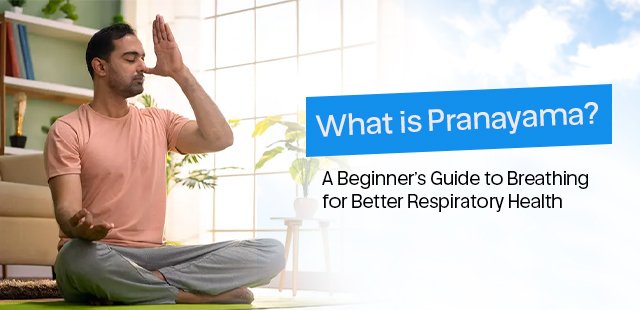
Pranayama is more than just breathing; it is a practice that directs your bio energy through breath control. It strengthens your lungs, calms your mind and boosts overall health.
This beginner’s guide will help you understand what pranayama is, why it matters, and how to begin practising safely for better respiratory health.
What is Pranayama?
Pranayama is an ancient yogic technique that offers a natural way to rejuvenate the body and restore balance. This word is derived from Sanskrit; “Prana” means life force (breath), and “Ayama” means control or expansion and together, it becomes the art of conscious breathing.
Today, we are facing the pollution problem in most parts of the nation. This practice can enhance respiratory function and nurture both body and mind.
Why Pranayama Matters?
In today’s time, we all go through a roller-coaster of emotions – stress, overthinking, anxiety, and a lot of things going on inside that often go silent. Pranayama helps relieve your mind and awaken your instinct, making you mindful and responsive.
Breathing is a natural process, but how we breathe can significantly impact our health during stressful times, as shallow breathing reduces oxygen intake.
From ancient times, pranayama has been practised and advised to be practised to calm oneself for all age groups of people.
It teaches us controlled, deep breathing that –
- Enhance lung capacity and oxygen efficiency.
- Strengthens respiratory muscles.
- Relieve stress and anxiety by relaxing the nervous system.
- Supports immunity through better oxygen circulation.
But Pranayam is only beneficial when you perform it with the right method at the right time.
Key Beginners-Friendly Pranayama Technique
Here are the three key pranayamas to start with-
| Technique | Method | Benefits |
| Anulom Vilom (Alternate Nostril Breathing) | Sit comfortably, inhale through the left nostril, exhale through the right, then switch | Balances energy, clears the nasal passages and calms the mind. |
| Kapal Bhati (Skull-Shining Breath) | Forceful exhalation by nose, passive inhalations. | Detoxifies the lungs, strengthens the diaphragm, and energises the body. |
| Bhramari (Bee Breath) | Inhale deeply, exhale while humming like a bee. | Relieves stress, improves focus & soothes nerves. |
Why Young People Should Do Pranayama?
Young people often juggle with competition, study, career and digital distraction, all of which lead to stress, irregular sleep, and scepticism. Pranayama offers a simple, natural way to build resilience and long-term health.
Boost Energy and Focus: Students and professionals should definitely practice deep breathing, as it increases oxygen supply to the brain, improving concentration and memory.
Prevent Lifestyle Diseases – Regular practice lowers the risk of hypertension, obesity, and even early signs of anxiety or depression.
Enhance Emotional Balance – Pranayama regulates mood swings, makes you more mindful and emotionally resilient.
Supports Fitness & Sports – Athletes and gym-goers benefit from improved stamina, endurance and recovery through better oxygen circulation.
Tips for Beginners
Remember these tips before you begin pranayama –
- Practice empty stomach or at least 2-3 hours after meals.
- Start slowly, 5 to 10 minutes for beginners is enough.
- Avoid forceful techniques if you have any respiratory problems, like asthma and COPD; consult a doctor first.
- Always sit in a comfortable and upright posture to allow full lung expansion.
- Practice in the morning for energy or before bed for relaxation.
Conclusion
Pranayama is not just a yoga practice, but it is a lifelong way for better and healthier living. By starting with simple techniques and practising consistently, beginners can experience improved respiratory health, reduce stress, and develop a deeper connection to their inner calm.